

Editorial
During May and June 2026, the renewable energy sector was characterised by initiatives aimed at developing new technologies and broadening the institutional base for the energy transition in Brazil. In this context, the Ministry of Mines and Energy (“MME”) appointed the members of the Executive Committee of the National Geothermal Energy Programme, which is responsible for coordinating actions relating to the development of this energy source in the country. During the same period, the Energy Research Office (“EPE”) published technical notes on the prospects for hydrokinetic energy in Brazil and on aspects of environmental licensing applicable to wind and solar photovoltaic projects.
In the energy efficiency sector, the Brazilian Electric Energy Agency (“ANEEL”) launched a public consultation to discuss improvements to the Energy Efficiency Programme, based on a Regulatory Impact Analysis that assesses alternatives for modernising the current model. Among the proposals under discussion is the adoption of a framework focused on strategic planning, targets and outcomes, with guidelines aimed at strengthening governance, monitoring investments and assessing the performance of distribution companies in implementing the programme.
In the fuels sector, the Brazilian Agency of Petroleum, Natural Gas and Biofuels (“ANP”) conducted a public consultation regarding the commercialization of anhydrous ethanol and the formation of inter-harvest inventories. Furthermore, The MME approved a Testing Plan to assess the technical feasibility of using diesel fuel with biodiesel content of up to 25%. Finally, a new joint ordinance issued by the MME and Ministry of the Environment (“MMA”) establishes a minimum requirement of 1% for the use of waste oils and fats in biofuel production.
In the biomethane sector, ANP released a technical study on the fungibility of the Brazilian Gas of Origin Certificate (“CGOB”). With regard to the low carbon emission hydrogen market, the ANP concluded the work of its Working Group on hydrogen and released studies on its regulation. Finally, the EPE published a report on the potential for implementing carbon capture and storage projects in Brazil.
Renewable energies
MME establishes Executive Committee for the implementation of the National Geothermal Energy Programme
On 19 May, the MME appointed the members of the Executive Committee of the National Geothermal Energy Programme (“CE-Progeo”) by means of MME Ordinance No. 68/2026. The committee will coordinate activities relating to the development of geothermal energy in the country, in accordance with the guidelines set out in Resolution No. 13/2025 of the National Energy Policy Council (“CNPE”), which established the National Geothermal Energy Programme (“Progeo”).
CE-Progeo brings together representatives from the MME, the Ministry of Development, Industry, Trade and Services, the Ministry of Science, Technology and Innovation, the ANP, the ANEEL, the Geological Survey of Brazil and EPE. The group will support the development of public policies, regulatory studies and innovation initiatives aimed at harnessing geothermal energy in Brazil.
Established by the CNPE, Progeo aims to develop a framework for the sustainable use of energy derived from the Earth’s internal heat. The committee will also work to identify applications of this energy source in electricity generation, air conditioning, industrial processes and thermal uses, as well as promoting the mapping of national geothermal potential and the development of research and technologies related to the sector.
EPE publishes Technical Note on the prospects for hydrokinetic energy in Brazil
On 18 May, EPE published the Technical Note ‘Hydrokineetic Energy: Prospects in the Brazilian Context’, which assesses the potential for harnessing the kinetic energy of rivers, tides and water currents to generate electricity. The study examines the application of hydrokinetic turbines – equipment capable of converting the natural flow of water into electrical energy without the need for dams or reservoirs – and analyses their use in off-grid systems, micro and mini distributed generation (‘MMGD’) projects, and individual and community supply models in remote regions.
Furthermore, the Technical Note brings together international experiences and feasibility studies carried out in Brazil, with a particular focus on analyses conducted in the Amazon region. According to EPE, the surveys indicate technical potential for the use of these technologies in locations with high water availability, particularly to supply communities currently dependent on diesel-fired thermal power generation. The document also presents a case study developed by EPE for off-grid systems, in which the technical and economic aspects of the technology were assessed, including implementation, operational and energy generation costs.
According to the conclusions of the Technical Note, although hydrokinetic energy still faces challenges relating to commercial maturity, implementation costs, technical aspects and equipment maintenance, the technology has the potential for integration into hybrid systems with other renewable sources, particularly solar and wind power. The study highlights the possibility of using it to complement hydroelectric projects by utilising surplus energy.
Finally, the EPE emphasises the importance of carrying out pilot projects, supplementary studies and full-scale demonstrations to inform the assessment of hydrokinetic energy’s role in national energy planning.
EPE publishes overview of environmental licensing legislation for wind and solar photovoltaic projects
On 14 May, EPE published the Technical Note ‘Wind and Solar Photovoltaic Energy: An Overview of Environmental Licensing Legislation’. The study systematises the regulatory framework applicable to the environmental licensing of these generation sources in Brazil and compiles information on current federal and state legislation. The publication presents an analysis of licensing procedures, classification criteria, definitions of project size and pollution potential, types of licences, and the environmental studies required for onshore wind and solar photovoltaic projects.
As its main output, the publication brings together standardised state-level fact sheets that summarise the rules currently in force in the states. EPE has also carried out a comparative analysis of the national landscape based on the information gathered, identifying differences and similarities between the states regarding criteria such as project size, pollution potential, licensing procedures, grounds for exemption and the responsibilities of the licensing authorities. According to the survey, 25 states have classification rules for solar photovoltaic projects and 22 for wind power projects, although only some of them have specific regulations for these activities.
In addition to the regulatory analysis, the study incorporates contributions from state environmental agencies on challenges and practices observed in the licensing of renewable energy projects. Among the topics covered are the quality of environmental studies, criteria for defining licensing procedures, recurring socio-environmental impacts, and initiatives aimed at improving the sustainability of projects.
View the full Technical Note and the interactive overview of environmental licensing legislation via the following links:
Energy Efficiency

ANEEL launches Public Consultation on improving the Energy Efficiency Programme
On 25 June, ANEEL launched Public Consultation No. 18/2026 to receive contributions to the Regulatory Impact Analysis Report (“AIR”) relating to the activity “Improvement of the Energy Efficiency Programme for the Energy Transition”, as set out in the 2026–2027 Regulatory Agenda. The consultation aims to inform the assessment of the need for adjustments to the Energy Efficiency Programme (“PEE”) and to discuss alternatives for improving its guidelines, governance and implementation mechanisms.
The study submitted for consultation has identified challenges relating to the realisation of energy efficiency potential and the allocation of the programme’s resources, whilst also analysing international experiences and different regulatory alternatives for the sector. Among the objectives assessed are strengthening the integration of the PEE with the energy transition, expanding the monitoring of results, encouraging innovation, incorporating socio-environmental indicators, and improving the programme’s governance and data management.
As a benchmark regulatory alternative, the AIR proposes the adoption of the E3P model (Strategy, Portfolio, Programme and Project), which replaces the current approach centred on the individual analysis of projects with a framework geared towards strategic planning, targets and outcomes. Under this model, ANEEL would set multi-year objectives for the programme, whilst distribution companies would organise their investments into portfolios and programmes aligned with these guidelines, enabling the monitoring of aggregate results and the assessment of performance based on standardised indicators. The proposal also provides for mechanisms to compare performance between distribution companies and greater integration of the PEE with the priorities of the energy transition and sectoral planning.
Fuels and biofuels
ANP conducts public consultation on marketing and inventories of off-season anhydrous ethanol
On May 27, 2026, the ANP initiated a public consultation on the draft update to Resolution No. 946/2023, which governs the marketing of anhydrous fuel ethanol and the formation of stocks for the sugarcane off-season period.
The draft resolution eliminates the mandatory stockpiling requirement during the off-season and abolishes the direct purchase regime. Distributors that fail to meet the pre-harvest procurement target must purchase ethanol directly from suppliers to build their inventories.
The text proposes allowing distributors that fail to meet the procurement target to sell gasoline C in a volume proportional to the contracted ethanol. Additionally, it allows distributors to procure ethanol directly throughout the harvest season.
MME publishes testing plan to expand biodiesel use
On 19 May 2026, the MME approved the Testing Plan to Assess the Technical Feasibility of using diesel fuel with biodiesel content of up to 25%, through MME Normative Ordinance No. 133/2026. The plan is the result of studies conducted by the Permanent Technical Committee on Fuel of the Future (CTP-CF), created by the CNPE.
The document outlines a series of tests to be conducted collaboratively by representatives of the government and the private sector, including automakers, engine manufacturers, and fuel distributors, as well as universities and research institutes. A range of mechanical and physicochemical assessments of engines are scheduled to evaluate various biodiesel content levels above 15%.
MME and MMA establish minimum requirements for the use of waste oils and fats in biofuel production
On May 13, 2026, the Ministry of Mines and Energy and the Ministry of the Environment issued the Interministerial Ordinance MME/MMA No. 3/2026, which stipulates a minimum requirement of 1% for the incorporation of waste oils and fats (WOF) in the production of biodiesel, SAF, and green diesel.
The establishment of a minimum percentage for the use of WOF was determined by CNPE Resolution No. 13/2024, with the aim of reducing the carbon intensity of Brazil’s energy mix and promoting investments in the collection and proper treatment of residual fats.
According to the Ordinance, the minimum percentage will be voluntary between 2026 and 2027, becoming mandatory for producers of biodiesel, SAF, and green diesel starting in 2028. The regulation applies exclusively to producers who utilize waste oils or fats as feedstock in their manufacturing processes.
Biomethane
ANP publishes technical report on the fungibility of CGOB
On 26 June 2026, the ANP approved a technical study on the fungibility of the CGOB with other environmental attribute certificates, as provided for in Article 20 of Law No. 14,993/2024, regulated by Decree No. 12,614/2025 and implemented by ANP Resolution No. 996/2026. The regulatory framework does not impose automatic or unrestricted fungibility but makes its application conditional upon technical suitability and the absence of risks to the integrity of the system, with the prohibition on double counting being an insurmountable limit.
The contributions received converged on key points: (i) an absolute prohibition on double counting; (ii) a distinction between fungibility and the coexistence of instruments (particularly CGOB and CBIO); (iii) recognition of the CGOB as the central regulatory instrument; (iv) the need for segregation of uses; (v) the importance of a centralised and auditable register; and (vi) rejection of automatic fungibility with certificates of a different legal nature.
In the ANP’s view, significant differences persist between the CGOB and the other certificates analysed (GAS-REC, GOGas and the European GO), particularly regarding the nature of the certified attributes, the methodologies used, the units of measurement and the operational rules, which constitute the main constraint on fungibility.
By deliberate regulatory choice, Resolution No. 996/2026 did not automatically recognise any certificate as fungible with the CGOB; this does not constitute an illegal regulatory gap, but rather a decision to safeguard the CGOB during its initial implementation phase.
It was concluded that:
- the current regulations fulfil the minimum legal mandate;
- the model adopted is one of ‘fungibility by validation’ rather than ‘automatic equivalence’;
- any regulatory changes should be gradual and preceded by an assessment of market maturity; and
- the preservation of the CGOB’s integrity must take precedence over short-term marginal gains.
In this context, the ANP (i) recommended that ANP Resolution No. 996/2026 remain in full force and effect and that market development be assessed as part of the Regulatory Impact Assessment (RIA) to be carried out in three years’ time; and (ii) suggested that fungibility should first be tested in the voluntary market, as this presents lower systemic risk and allows for regulatory learning, before proposing rules for the acceptance of other certificates to meet mandatory national targets.
Hydrogen
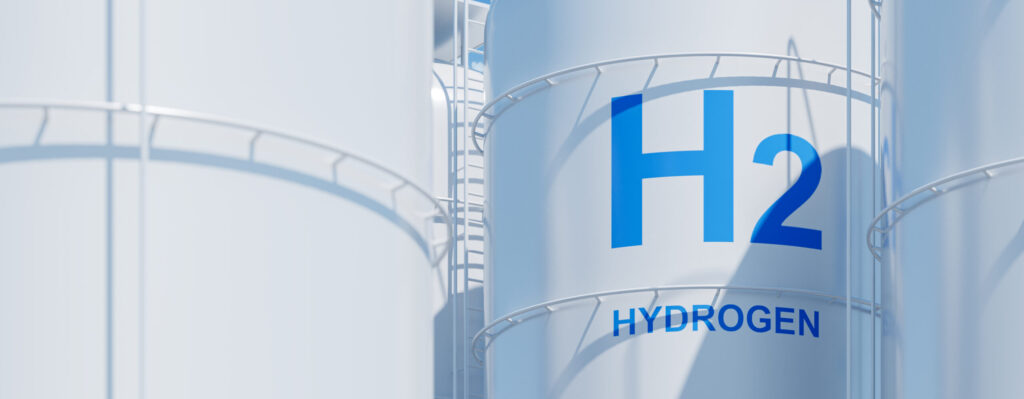
ANP publishes reports on hydrogen
On 29 May 2026, the ANP Board approved the final report of the Hydrogen Working Group. The document addresses the regulation of the hydrogen market and institutional challenges. In addition, five reports were published on topics relevant to the Brazilian hydrogen market.
The report by Subgroup 1 concludes that blending hydrogen into Brazil’s natural gas transmission network poses significant technical and regulatory risks, particularly due to the weakening of high-pressure steel pipelines, the reduction in the energy content of the blends, and the limitations of existing metering systems. The absence of specific metrological regulations from Inmetro for H₂ exacerbates the legal uncertainty surrounding the model. By comparison, international experience reveals significant differences, with the European Union prioritising dedicated networks for pure H₂ over mixtures. Against this backdrop, the report identifies as the most viable alternatives the introduction of H₂ into state distribution networks — where lower pressures and HDPE pipes reduce risks — and the development of dedicated hydrogen infrastructure (preferably based on hubs), designed from the outset for this energy source. Subgroup 2 analysed the incorporation of natural hydrogen into Brazil’s regulatory framework for exploration and production, drawing on the established experience of the oil and gas sector. For deposits in sedimentary basins, the existing concession regime is proposed, with the inclusion of natural hydrogen as an additional subject matter in current or future contracts, through contractual addenda.
For crystalline substrates, where there is no association with petroleum systems, a simplified and flexible model is suggested to be tested initially through pilot projects under the supervision of the ANP, prioritising the generation of technical knowledge and the development of a new production chain.
The report rules out the use of a regulatory sandbox for these activities, given their complexity and risks, and highlights the need for regulatory revisions at the ANP — both ad hoc and structural — to address the specific characteristics of this new resource. The conclusion is that Brazil possesses the institutional conditions to begin this structuring process, provided it is guided by the principles of legal certainty, regulatory proportionality and progressive regulatory development.
Furthermore, Subgroup 3’s report set out guidelines for the authorisation of activities in the low-carbon hydrogen value chain, in accordance with Law No. 14.948/2024, with a focus on informing the sector’s future Regulatory Impact Analysis. Given the technological and economic uncertainties characterising the early stages of the Brazilian market, it is proposed that experimental regulation be adopted, based on pilot projects and regulatory sandboxes, allowing models to be tested and evidence to be gathered before definitive rules are established. The three priority areas cover authorisations for hydrogen production, logistical and commercial activities, and product quality specification and certification. As its main output, the Sub-group produced the Manual for Applying for Authorisations, approved by the ANP’s Executive Board, which standardises procedures, increases predictability and provides non-binding guidance to stakeholders during the regulatory transition period.
Subgroup 4 addressed operational safety in the development of low-carbon hydrogen projects. The international analysis revealed a diverse landscape of regulatory approaches, with convergence on the principles of proportionality to risk and lifecycle management of facilities, with the oil and gas sector model frequently being extended to hydrogen. At national level, the ANP’s regulatory framework — particularly the SGSO — already includes instruments compatible with the new legal requirements, providing a solid basis for a regulatory transition. The sub-group recommends the inclusion of specific regulatory action in the ANP’s agenda, the adoption of pilot schemes during the transitional period, and regulatory updates that clarify the Agency’s remit in the hydrogen sector.
Law No. 14.948/2024 established hydrogen certification as a central instrument of the National Low-Carbon Hydrogen Policy, conferring environmental credibility and traceability on the various technological pathways. The regulatory decree has not yet been published, but the ANP has been taking preparatory steps, providing technical support to the Ministry of Mines and Energy (MME) in drafting the bill, with an emphasis on the design of the certification system. The draft under discussion assigns to the ANP the role of regulatory authority for the Brazilian Hydrogen Certification System (SBCH2), with powers to define life-cycle analysis methodologies, traceability and chain-of-custody criteria, and to oversee the system’s operation. Subgroup V was established within the ANP’s Hydrogen Working Group to further the technical and regulatory debate and to inform the development of the certification model, considering both national experiences — such as RenovaBio and the Biomethane Guarantee of Origin Certificate — and international ones. The report consolidates the Sub-group’s findings with the aim of guiding the coherent and consistent implementation of SBCH2 in light of the new legal framework. The envisaged institutional framework involves the ANP’s interaction with accreditation bodies, certification bodies and registration systems, with an emphasis on the segregation of duties, data integrity and trust in the system. The Agency’s accumulated experience with other certification schemes is highlighted as a key asset in ensuring that the Brazilian hydrogen certification model is compatible with international best practices. Despite the Working Group’s closure, the technical departments will continue to study the subject, which is set to form part of new initiatives on the ANP’s Regulatory Agenda.
Carbon capture and storage

EPE Publishes Report on Carbon Capture and Storage in Brazil
EPE has published the report “Carbon Capture, Utilization and Storage (CCUS) in Brazil: Contributions to the Selection of Areas of Interest – 2025 Cycle.” The publication addresses geological carbon storage technologies and provides data and analyses on the opportunities and challenges associated with their large-scale implementation.
The report examines the feasibility of the main carbon transportation modes. Pipelines were identified as an efficient transportation option, although they require significant upfront investment. Road transportation may also be employed; however, the associated CO₂ emissions must be considered to ensure the overall sustainability of the operation. Maritime transportation offers significant advantages for distances exceeding 300 km, while rail transportation requires complex logistical coordination between carbon capture sites and railway infrastructure.
Among the sectors with the greatest potential demand for CCS/CCUS technologies are steel production (42.5 MtCO₂), cement manufacturing (38.2 MtCO₂), thermal power generation (25.5 MtCO₂), oil and gas fields (19.2 MtCO₂), refining (16.4 MtCO₂), the chemical industry (6.0 MtCO₂), and mining (1.4 MtCO₂).
Regarding biogenic carbon availability, alcoholic fermentation in sugarcane and corn ethanol plants accounts for the largest share of carbon readily available for direct capture in Brazil. According to EPE’s National Energy Plan 2055, approximately 100 MtCO₂eq could be removed through the production of liquid biofuels, while an additional 43 MtCO₂eq could be removed through biomethane production.
The report also assesses the regions with the greatest potential for the development of carbon capture projects. The Southeast region stands out due to the availability of prospective storage sites, well-established infrastructure, and strong demand for CCS technologies from emissions-intensive industries.